Exploring Native Plants for Local Landscapes
In recent years, there has been a growing interest in incorporating native plants into home gardens and landscaping designs. Native plants can serve various ecological functions and typically require less maintenance compared to non-native species. This article aims to explore the benefits of using native plants in your garden and offer practical insights into selecting the right plants for your local landscape.
Understanding Native Plants
Native plants are species that have naturally evolved in a particular region over thousands of years. They are adapted to local climate, soil, and wildlife conditions, making them a reliable choice for gardeners looking to create sustainable landscapes. According to research conducted by the Lady Bird Johnson Wildflower Center, native plants can support local ecosystems by providing habitats for native wildlife, including birds, insects, and other beneficial organisms.
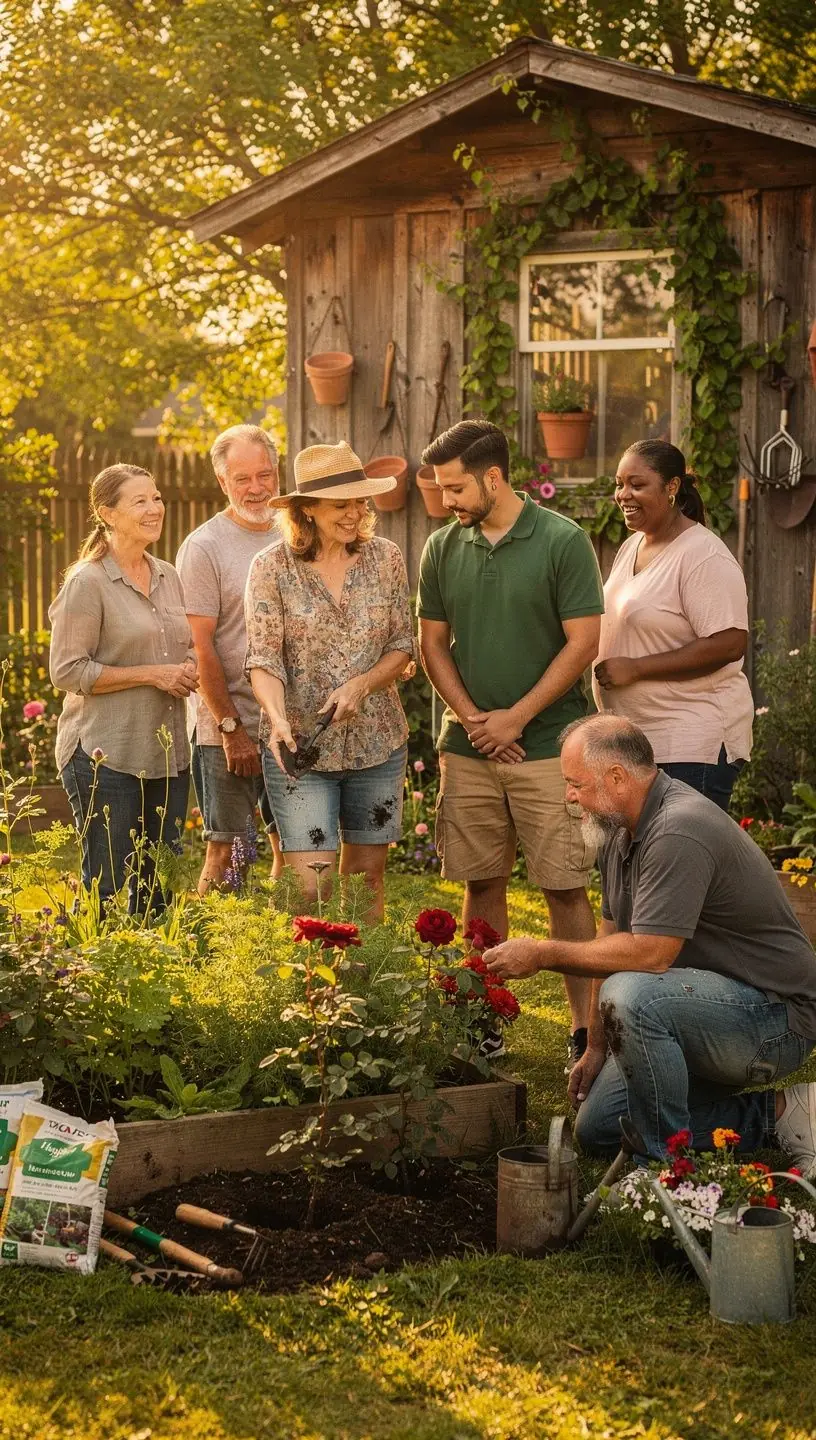
"Using native plants is not only beneficial for the environment but can also lead to lower maintenance needs and cost savings in the long run."
Benefits of Using Native Plants
- Environmental Adaptation: Native plants are typically well-suited to local environmental conditions, meaning they often require less water and fertilizer.
- Biodiversity Support: These plants provide essential food and habitat for local wildlife, fostering biodiversity and ecosystem health. Studies show that gardens with native plants can attract 50% more butterflies compared to those with non-native species.
- Low Maintenance: Once established, native plants generally require less care, which can save you time and resources. This is especially relevant in regions prone to drought, where non-native plants may struggle to thrive.
Selecting the Right Native Plants
Choosing the right native plants for your garden involves understanding the local climate, soil types, and the specific conditions of your space. Here are some key considerations:
- Research Local Species: Consult resources such as local extension services or native plant societies to identify plants that are native to your area.
- Consider Plant Functions: Different native plants serve various roles, such as ground cover, pollinator support, or shade. Understanding these functions can help you create a balanced garden.
- Soil and Sun Exposure: Assess your garden's sunlight and soil drainage. Some native plants thrive in wet conditions, while others prefer dry, sandy soils.
Conclusion
Incorporating native plants into your landscape design can provide numerous ecological benefits while enhancing the beauty of your garden. By selecting plants suited to your local conditions and understanding their roles within the ecosystem, you can create a sustainable garden that requires less maintenance and supports local wildlife. Remember, the transition to a native garden typically takes time, but the results can be rewarding for both you and the environment.
Learn More