Hands-On Methods for Composting in Small Spaces
Composting is an effective way to reduce waste and nourish your garden, even in limited spaces. In this article, we will explore practical, hands-on methods of composting that fit neatly into small urban or suburban gardens. Understanding these techniques can significantly enhance your gardening experience and contribute to a healthier environment.
Understanding the Basics of Composting
Composting involves the natural decomposition of organic matter, which transforms waste into nutrient-rich soil. This process relies on a balance of carbon-rich materials (browns) such as dried leaves and nitrogen-rich materials (greens) like kitchen scraps. According to research from the Environmental Protection Agency, composting can reduce household waste by about 30%, making it an environmentally responsible choice.
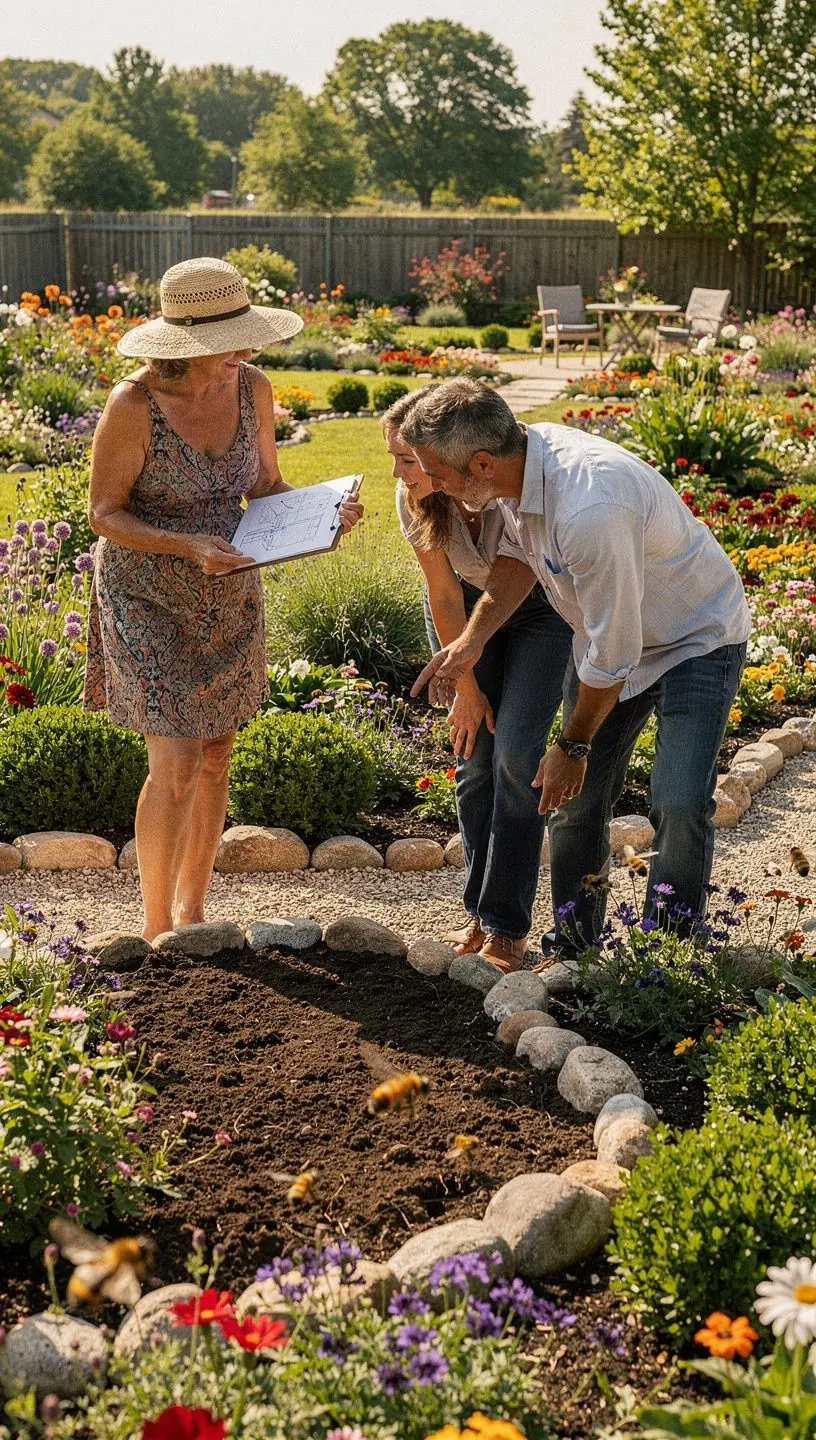
"Composting is not just a way to recycle; it's a vital part of sustainable gardening." – Gardening Expert
Choosing the Right Composting Method
When space is limited, several composting methods are particularly suitable:
- Bokashi Composting: This anaerobic method ferments organic waste, allowing for composting even in smaller apartments. It typically takes about 2-4 weeks for the waste to ferment before it can be buried in soil, where it decomposes further.
- Vermicomposting: Using worms to break down kitchen scraps, vermicomposting is effective in small spaces. Many users report successful outcomes with a dedicated worm bin that fits under a kitchen sink or on a balcony.
- Traditional Compost Bin: If you have a small yard, a compact compost bin provides a straightforward way to compost. Research indicates that maintaining a balance of greens and browns, along with adequate moisture, can accelerate the decomposition process.
Steps to Start Composting in Small Spaces
- Choose Your Method: Decide which composting method suits your lifestyle and available space. Consider factors like odor control, maintenance, and required space.
- Gather Materials: Collect a mix of browns (like cardboard or dried leaves) and greens (such as vegetable scraps or coffee grounds). Aim for a ratio of about 3:1 browns to greens for optimal results.
- Maintain Your Compost: Regularly aerate and turn your compost, as this encourages decomposition. If using Bokashi or vermicomposting, follow specific guidelines to ensure success.
- Harvest Your Compost: In most cases, your compost should be ready in a few months. Finished compost will appear dark and crumbly, with an earthy smell. Use it to enrich your garden soil or potted plants.
Conclusion
Composting in small spaces is not only feasible but also beneficial for your garden and the environment. By adopting hands-on methods such as Bokashi, vermicomposting, or traditional composting, you can effectively manage organic waste and produce high-quality compost. Remember, the effort invested in learning and practicing these techniques pays off through healthier plants and a more sustainable lifestyle.