
Step-by-Step Process for Designing Raised Garden Beds
Creating raised garden beds can enhance your gardening experience, providing numerous benefits such as improved drainage and soil quality. This article outlines a step-by-step process to help you design and build effective raised garden beds that can thrive in various climates across the United States.
Understanding the Basics of Raised Garden Beds
Raised garden beds are garden plots that are raised above the surrounding soil, typically framed with materials such as wood, stone, or metal. This setup can improve soil drainage, reduce soil compaction, and create a more favorable growing environment for many plants.
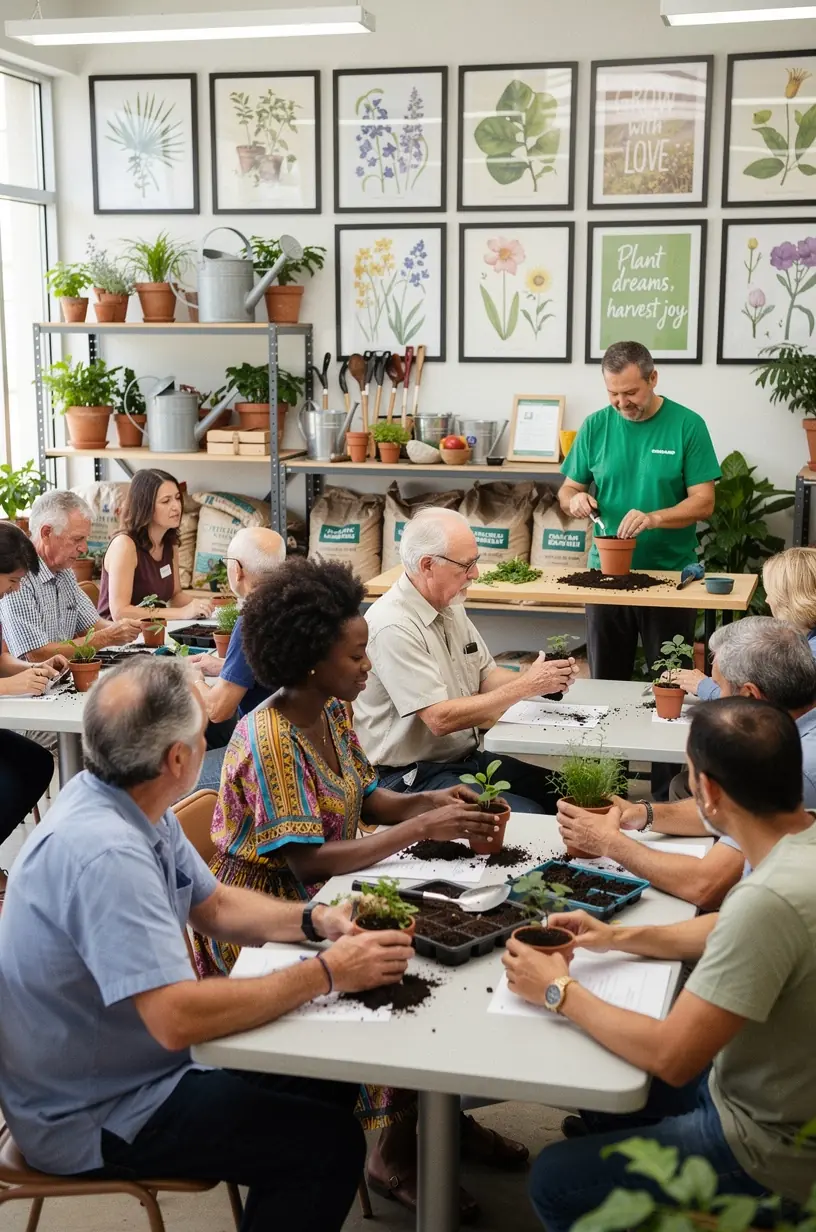
According to research, raised beds can yield up to 20-30% more produce compared to traditional in-ground gardening, primarily due to improved soil conditions and easier access for maintenance. Many gardeners report that raised beds can also reduce pest issues and make it easier to manage soil quality.
"Raised garden beds are a practical solution for many gardening challenges, offering a controlled environment that can lead to healthier plants." - Gardening Expert
Step 1: Choosing the Right Location
Selecting an appropriate location is crucial for the success of your raised garden beds. Look for a spot that receives at least 6-8 hours of sunlight a day, as most vegetables thrive in sunny conditions. Additionally, avoid areas with poor drainage or heavy foot traffic.
Step 2: Selecting Materials
The materials you choose for your raised beds can influence their durability and safety. Common materials include:
- Wood: Cedar and redwood are popular choices due to their natural resistance to decay. Avoid treated woods that may contain chemicals harmful to plants.
- Metal: Galvanized steel can create a modern aesthetic and is very durable but may retain heat, so proper plant selection is necessary.
- Stone: While aesthetically pleasing, stone can be expensive and labor-intensive to work with.
Experts recommend considering the lifespan of the materials and their potential effects on soil quality when making your selection.
Step 3: Designing the Dimensions
The dimensions of your raised garden beds will depend on your available space and the types of plants you wish to grow. A common size is 4 feet wide by 8 feet long, with a height of 12-24 inches. This allows for easy access from all sides and sufficient space for root growth. Typically, beds should not exceed 4 feet in width to ensure ease of access.
Step 4: Building the Bed
The construction process is relatively straightforward and involves:
- Marking the area where you want to place the bed.
- Cutting the materials to the desired dimensions.
- Assembling the frame using screws or brackets for stability.
- Placing the frame on a leveled area and filling it with a suitable soil mix.
This step typically requires a few hours, depending on your skill level and the size of the bed.
Step 5: Filling the Bed with Soil
Using a quality soil mix is essential for successful gardening in raised beds. A recommended mix often includes:
- 1 part topsoil
- 1 part compost
- 1 part peat moss or coconut coir
This combination helps to retain moisture while providing essential nutrients for plant growth. According to gardening practices, this soil mix can promote healthy root development and increase crop yields.
Conclusion
Designing and building raised garden beds is a rewarding project that can yield bountiful results. By following these steps, you can create an effective gardening environment tailored to your needs. Remember that the time and effort invested in creating your raised beds can lead to improved gardening experiences, allowing you to enjoy the fruits of your labor for years to come.
Learn More