How to Create a Small Garden Design Plan
Creating a small garden design plan can be a rewarding project that not only enhances your outdoor space but also provides a therapeutic outlet. This article will guide you through the essential steps to develop a practical and effective garden design plan tailored to your preferences and environment.
Understanding the Basics
Before diving into the design process, it is crucial to understand the fundamental principles behind garden planning. A well-structured garden plan considers various factors such as space limitations, environmental conditions, and personal preferences. According to landscape design experts, a successful garden typically addresses these key elements:
- Site Analysis: Evaluate your garden space, taking note of sunlight, wind patterns, and existing vegetation.
- Design Goals: Define what you want from your garden, whether it's aesthetic beauty, functional space, or a sanctuary for wildlife.
- Plant Selection: Choose plants that thrive in your region and complement your garden's conditions.
"Successful garden design is about creating a harmonious balance between the natural environment and your personal preferences." - Landscape Architect
Step-by-Step Planning Process
Creating a small garden design plan involves a series of logical steps. Here's a simplified methodology to help you through:
- Assess Your Space: Measure the area you plan to garden, noting the shape and orientation. This typically takes about an hour and sets the foundation for your design.
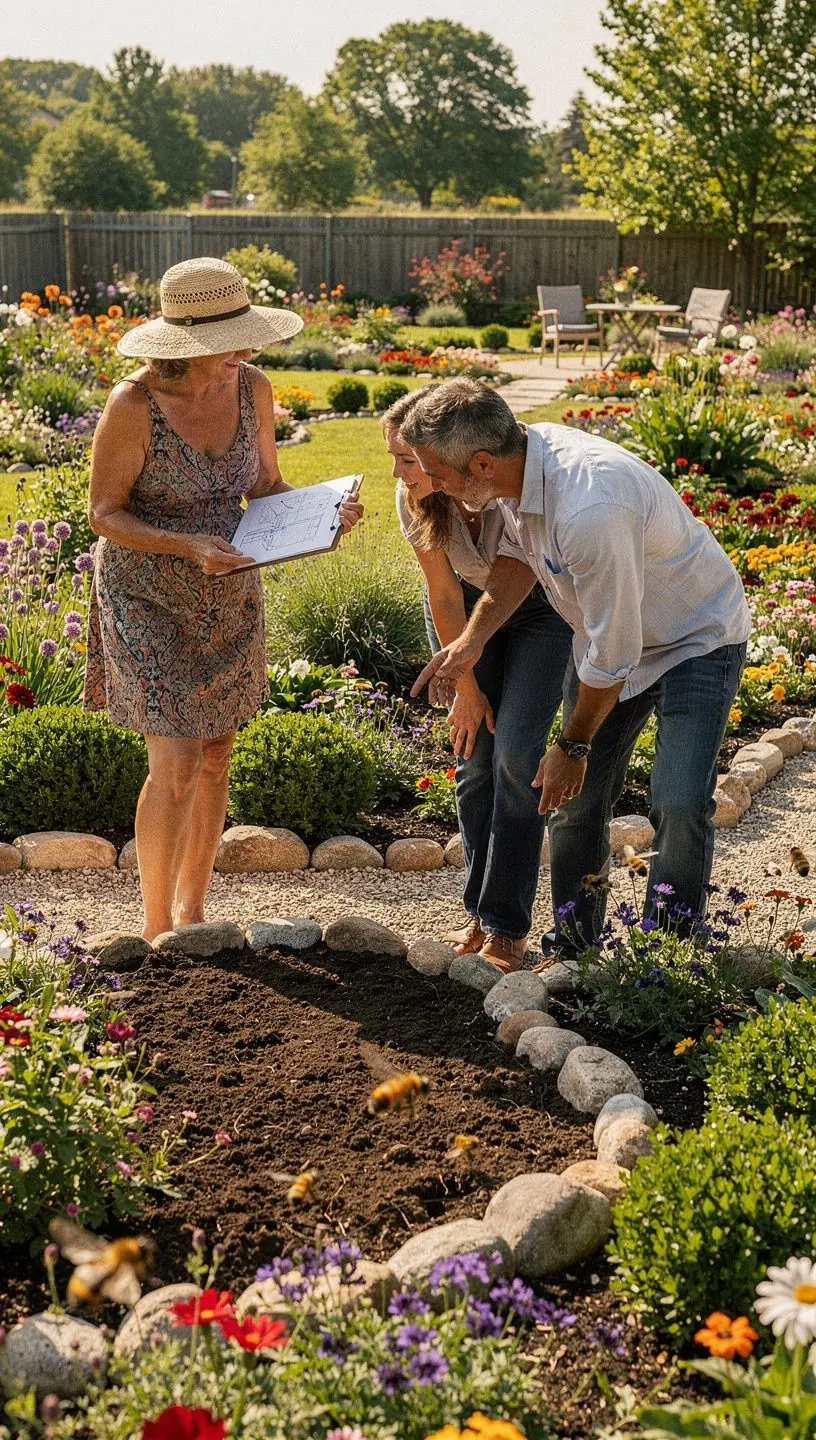
- Sketch Your Ideas: Start with a rough sketch of your space. Include existing features like trees, fences, and walkways. This visual representation can help clarify your design vision.
- Choose Your Plants: Research suitable plants. According to studies, diverse planting can increase garden resilience and attract beneficial wildlife. Aim for a mix of perennials and annuals to ensure continuous blooms.
- Plan for Maintenance: Consider your commitment level. Some designs may require more upkeep than others. Many users report that low-maintenance gardens are more enjoyable, especially for beginners.
- Budgeting: Outline your budget for materials and plants. A clear budget helps manage expectations and prevents overspending.
Considerations for Success
While creating your garden design plan, keep in mind the following considerations:
- Time Commitment: Depending on the complexity, creating a detailed garden design can take anywhere from a few days to several weeks.
- Learning Curve: If you're new to gardening, expect an initial learning curve. Resources like gardening books and online tutorials can provide valuable insights.
- Environmental Factors: Your design should align with local climate conditions. Research indicates that plants suited to your specific zone will thrive better and require less water.
Conclusion
Creating a small garden design plan is an achievable task that fosters creativity and connection with nature. By following a structured approach, assessing your specific needs, and understanding the environmental factors, you can develop a garden that meets your expectations. Remember, the journey is just as important as the destination; enjoy the process and the eventual rewards of your hard work.
Learn More